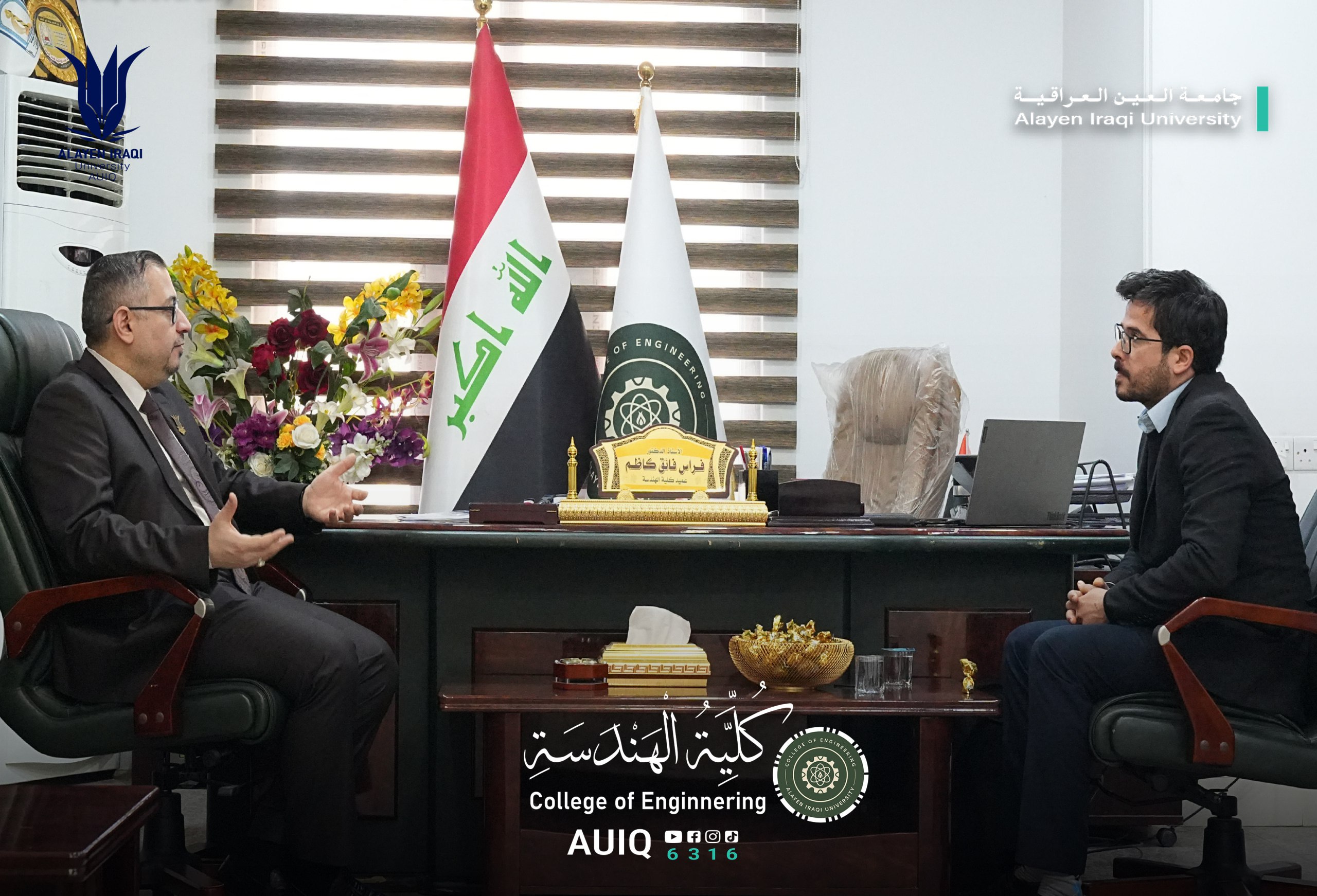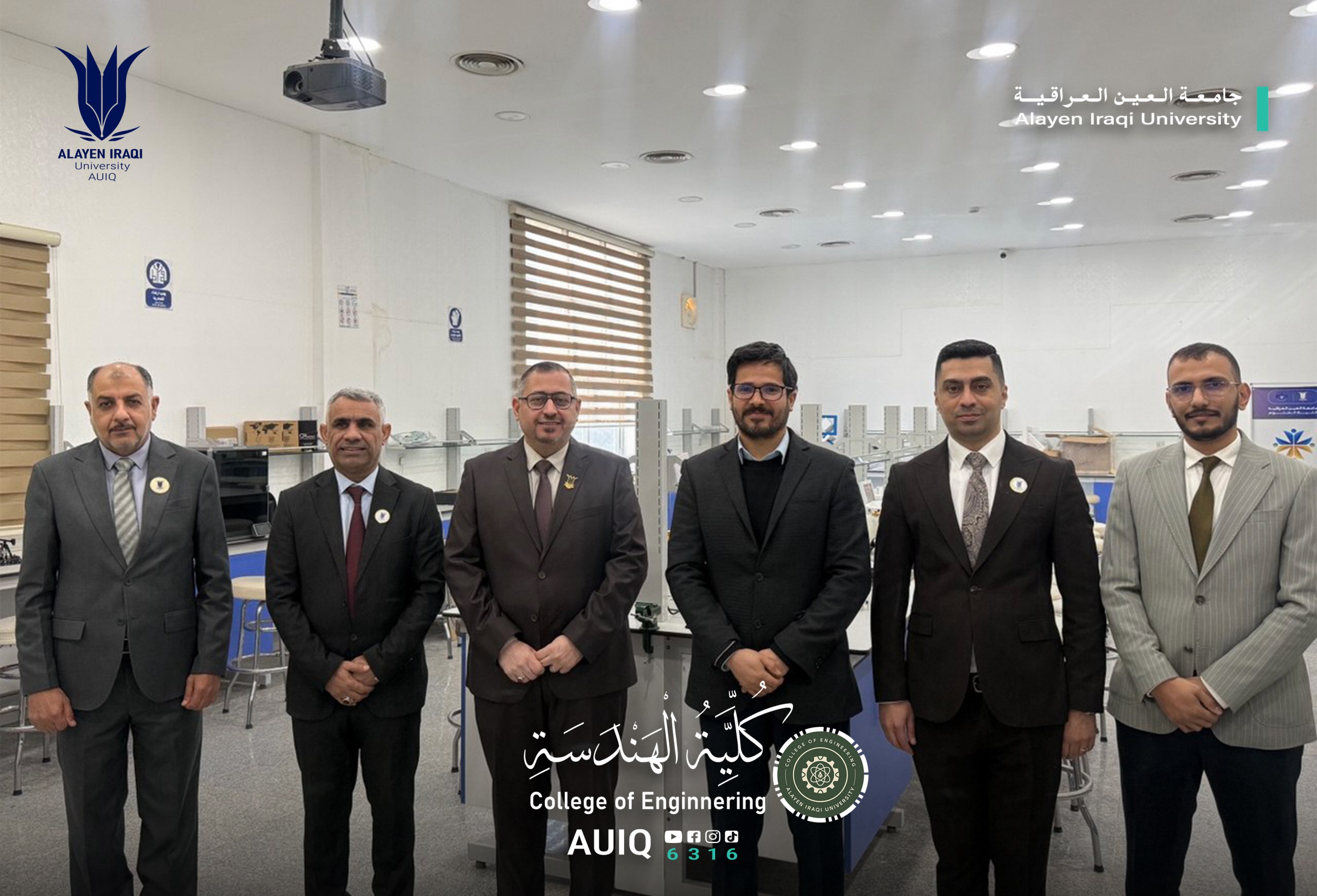


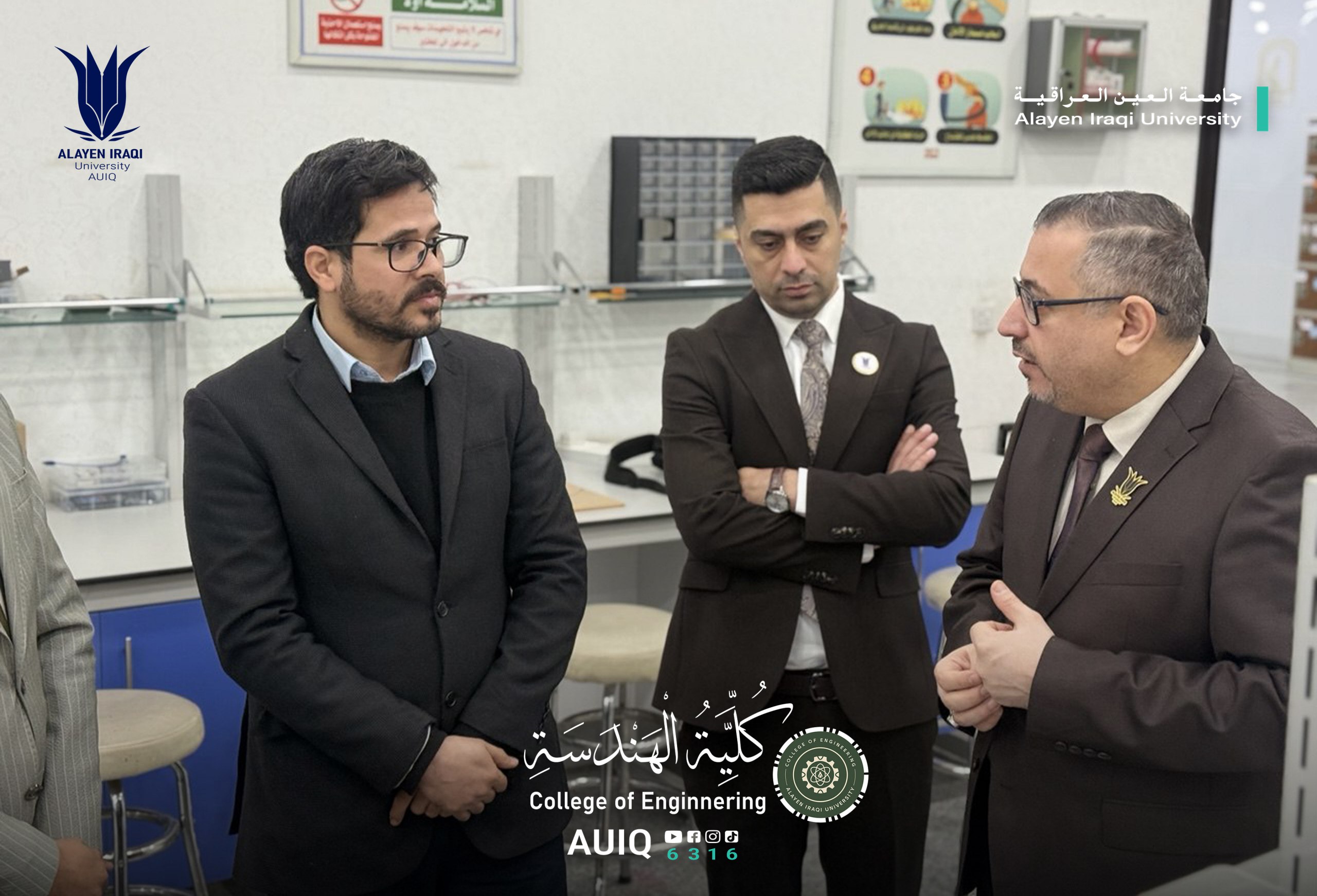
In line with the university's vision of fostering academic cooperation and scientific exchange with reputable international universities, and as part of its strategic plans to develop educational and research programs, the College of Engineering hosted Asst. Prof. Dr. Hussam Abdulkarim Naama from the College of Engineering at the University of Debrecen, Hungary, within the framework of scientific cooperation programs and the exchange of international academic expertise.
This visit aimed to support academic and research development. During the visit, several scientific meetings were held with the college's faculty members, during which they discussed ways to develop curricula, enhance joint scientific research, and exchange expertise in various engineering fields. They also explored prospects for future cooperation and the possibility of implementing joint scientific projects and programs.
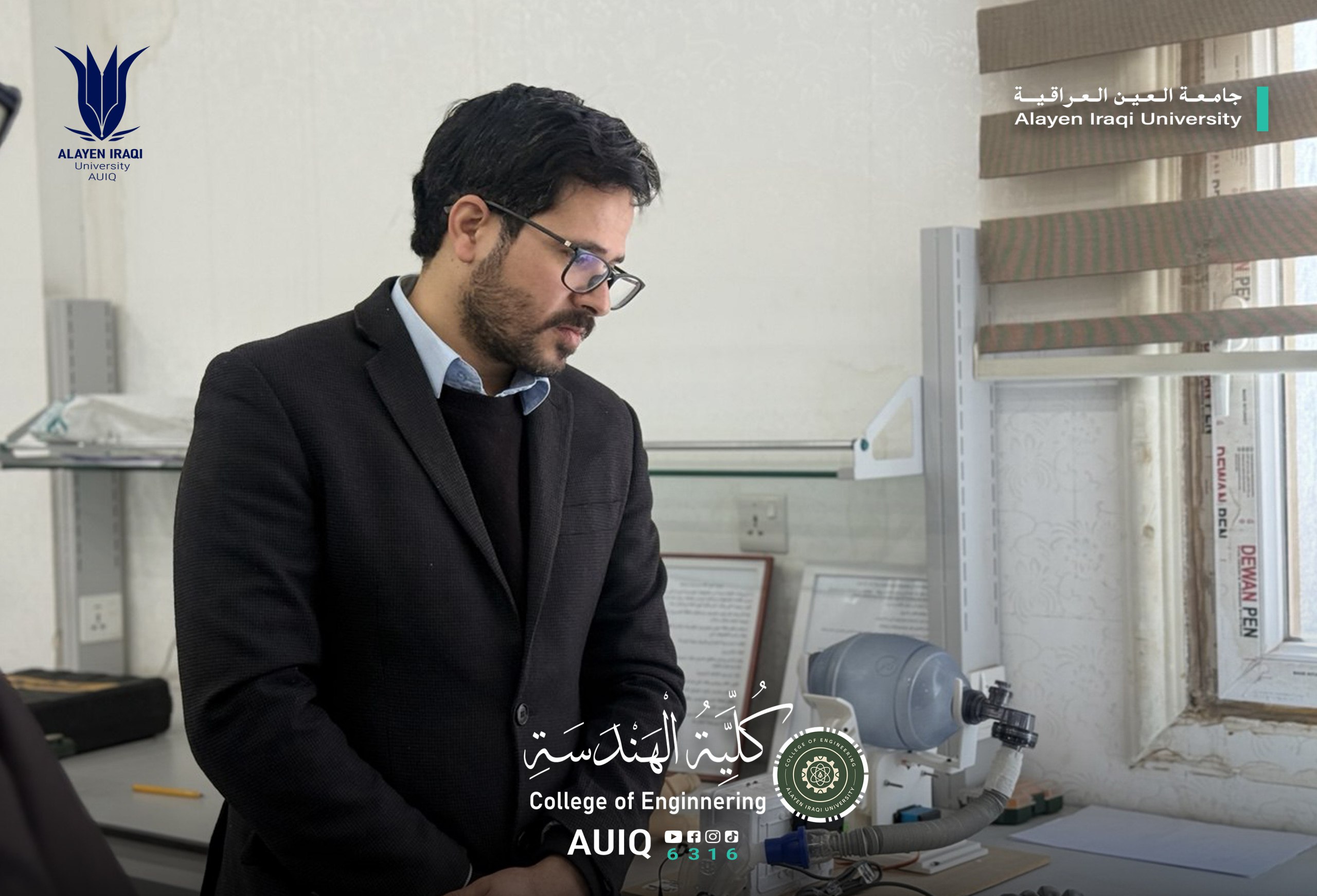
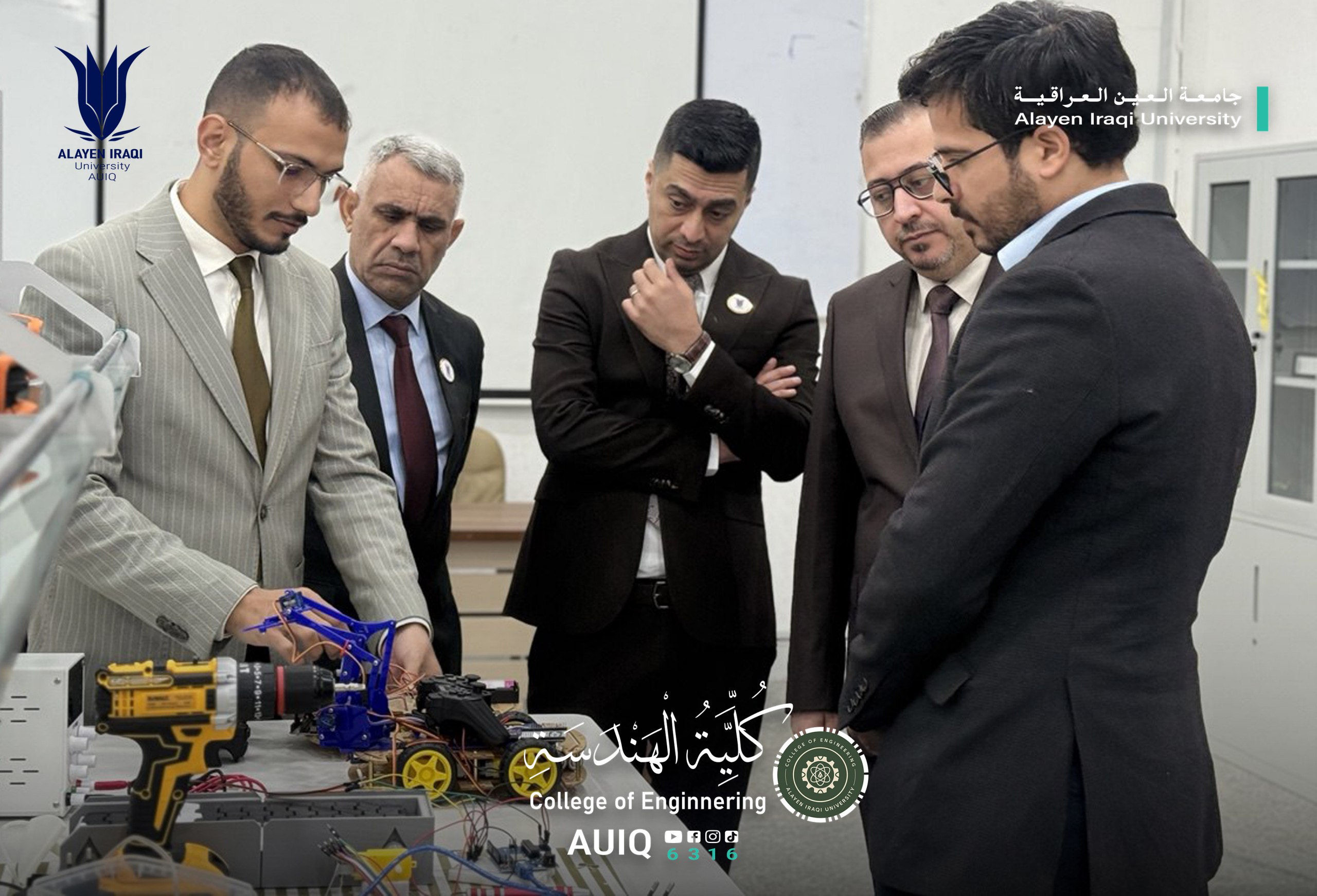
The visit program also included hosting the visiting faculty member in the departments of the College of Engineering and organizing field trips to the scientific laboratories. During these trips, the faculty member was briefed on the available technical capabilities and laboratory equipment, the established work procedures, and student projects, including applied projects and engineering designs. These projects reflected the advanced scientific and applied levels achieved by the college.
The visit also included academic discussions on developing students' skills, bridging the gap between theory and practice in the educational process, and encouraging students to innovate and conduct scientific research. Furthermore, the visit facilitated an exchange of views on adopting modern teaching methods that align with the demands of the job market and global scientific advancements.
The College of Engineering affirms that this visit is part of its commitment to strengthening international scientific partnerships and embracing advanced academic experiences. This contributes to the development of the educational and research process, enhances the quality of its scientific output, and aligns with the university's vision and mission to support higher education and scientific research.